Pilots Guide to Pepperell Airport
Welcome to the comprehensive pilots guide for Pepperell Airport (26MA). This guide contains essential operational information for safe and efficient operations at our facility.
Pre-Arrival Procedures
Before arriving at Pepperell Airport, pilots should complete the following steps:
- Obtain Prior Permission: This is a private airport. Contact airport management before planning your visit.
- Check NOTAMs: Review current Notices to Airmen for any temporary restrictions or conditions.
- Weather Briefing: Obtain current weather for the area. Nearest weather reporting stations are at Fitchburg (KFIT) and Lawrence (KLWM).
- Flight Planning: Include appropriate fuel reserves and alternate airports.
Communication Procedures
Required Radio Calls
All aircraft must make the following calls on Unicom 123.05 MHz:
- 5 Miles Out: "Pepperell Unicom, [Aircraft Type and Tail Number], 5 miles [direction], landing, requesting advisories and jump status"
- Entering Pattern: "Pepperell Traffic, [Aircraft and Number], entering [downwind/base/final] runway [06/24]"
- Departing: "Pepperell Traffic, [Aircraft and Number], departing runway [06/24], [direction of departure]"
Frequency Information
- Unicom: 123.05 MHz (Primary communication)
- Boston Center: 123.75 MHz (IFR clearances, flight following)
- Emergency: 121.5 MHz (Guard frequency)
Traffic Pattern Procedures
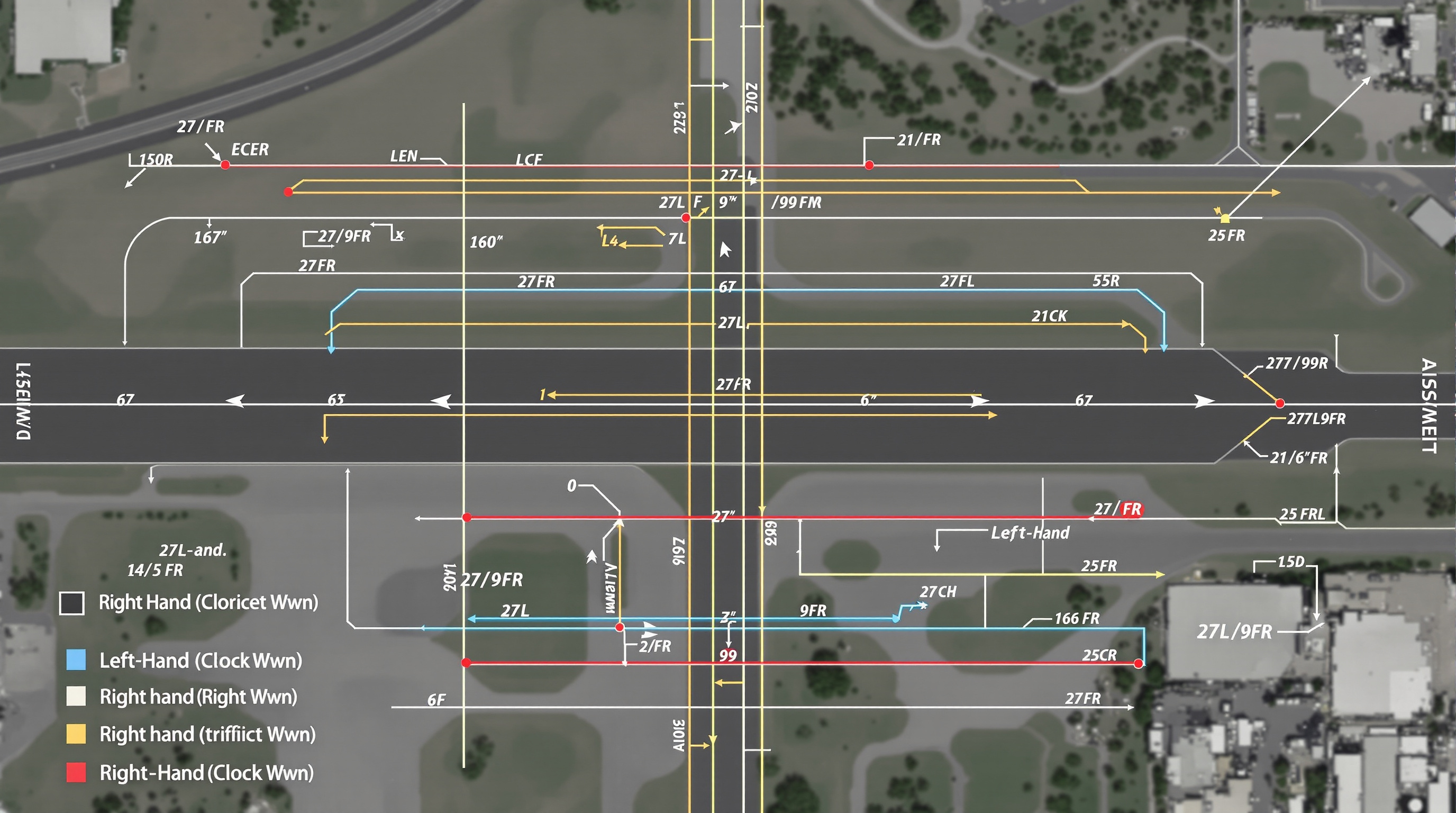
Runway 06 (Right Traffic)
When landing Runway 06, fly a RIGHT-hand traffic pattern:
- Pattern altitude: 1,200 feet MSL
- Crosswind turn: Right turn after departure
- Downwind: Parallel runway on right side
- Base and Final: Right turns to final approach
- Landing: Do not land before threshold markings
Runway 24 (Left Traffic)
When landing Runway 24, fly a LEFT-hand traffic pattern:
- Pattern altitude: 1,200 feet MSL
- Crosswind turn: Left turn after departure
- Downwind: Parallel runway on left side
- Base and Final: Left turns to final approach
- Landing: Do not land before threshold markings
According to Aircraft Owners and Pilots Association (AOPA) guidance, proper traffic pattern discipline is essential for safety, especially at airports with mixed operations like skydiving activity.
Skydiving Operations Advisory
Critical Safety Information
Pepperell Airport hosts intensive skydiving operations. Failure to follow these procedures could result in mid-air collision with parachutists.
Skydiving Season
- High Season: March 1 - November 30 (Daily operations, sunup to sundown)
- Winter Season: December 1 - February 28 (Saturday and Sunday only)
Mandatory Procedures During Jump Operations
- Never overfly the airport without first calling Unicom
- Call 5 miles out requesting jump status
- Hold position if jumpers are in the air or jump run is active
- Maintain visual lookout for jump aircraft and parachutists
- Avoid the jump zone (area directly above and around the airport from pattern altitude to 13,500 feet)
Jump Aircraft Operations
Jump aircraft typically climb to 13,500 feet AGL before releasing skydivers. The jump run is usually oriented along the runway axis. Jump aircraft will announce:
- "Jumpers away" when parachutists exit
- "Jump run complete" when all jumpers are out
- Landing intentions after dropping jumpers
The FAA Skydiver's Information Manual provides additional guidance on mixed skydiving and general aviation operations.
Landing and Takeoff Procedures
Approach and Landing
- Maintain pattern altitude (1,200 feet MSL) until turning final
- Standard stabilized approach recommended
- Land beyond threshold markings - DO NOT land before marked threshold
- Runway length is 2,820 feet - plan accordingly for aircraft performance
- Exit runway promptly when safe to do so
Departure Procedures
- Verify no jump operations in progress before taxiing
- Announce departure intentions on Unicom
- Complete run-up in designated area
- Make standard departure calls
- Fly published traffic pattern or depart as announced
Parking and Services
After landing, pilots should:
- Taxi to designated parking area as directed
- Secure aircraft properly - tie-downs required
- Pay landing fee ($10) and parking fee ($25) at airport office
- Fuel services available - call ahead to verify availability
Emergency Procedures
In the event of an emergency:
- Squawk 7700 and broadcast emergency on 121.5 MHz
- Declare emergency on Unicom 123.05 MHz
- Land immediately if aircraft condition requires
- Clear runway if able after landing
Emergency services can be reached through airport management. Nearest hospital is Nashoba Valley Medical Center, approximately 10 miles south.
Local Area Information
Pepperell Airport is located beneath the Boston Class B airspace. Pilots should be familiar with:
- Class B shelf altitudes in the area
- VFR cloud clearance requirements
- Special use airspace in the region
- Local terrain and obstacles
The Leidos Flight Service provides comprehensive briefing services for the New England region.
Pilot Fitness and Fatigue Awareness
Operating at Pepperell Airport demands heightened situational awareness due to the mixed traffic environment with active skydiving. The FAA's IMSAFE checklist (Illness, Medication, Stress, Alcohol, Fatigue, Eating) remains one of the most effective tools for personal readiness assessment before every flight. Pilots who are fatigued, dehydrated, or under stress are at significantly greater risk of making errors during the critical coordination required around parachute operations.
Adequate rest the night before, proper hydration, and a light meal within two hours of departure all contribute to sharper decision-making. Cross-country pilots arriving at Pepperell after a long leg should assess their own alertness before attempting the approach, particularly during high-volume jump days when communication and lookout demands increase substantially.
Contact Information
For questions about operations, prior permission requests, or facility information, please contact airport management through our contact page or monitor Unicom 123.05 MHz during operating hours.